

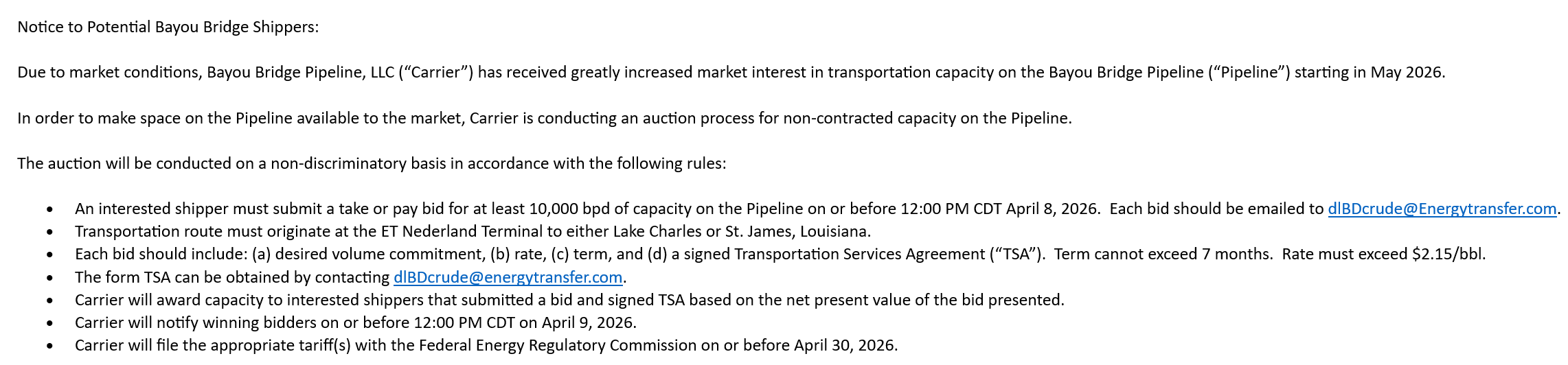
Energy Transfer has issued a rare “flash open season” for its Bayou Bridge Pipeline, announcing an immediate auction for available capacity starting in May 2026. This unconventional move invites shippers to bid on a least 10,000 barrels per day (bpd) of capacity from Nederland, Texas, to Lake Charles or St. James, Louisiana. With bid rates starting above $2.15 per barrel for a term no longer than seven months, the auction signals a strategic pivot by Energy Transfer to capture a sudden surge in market interest triggered by extreme price volatility.
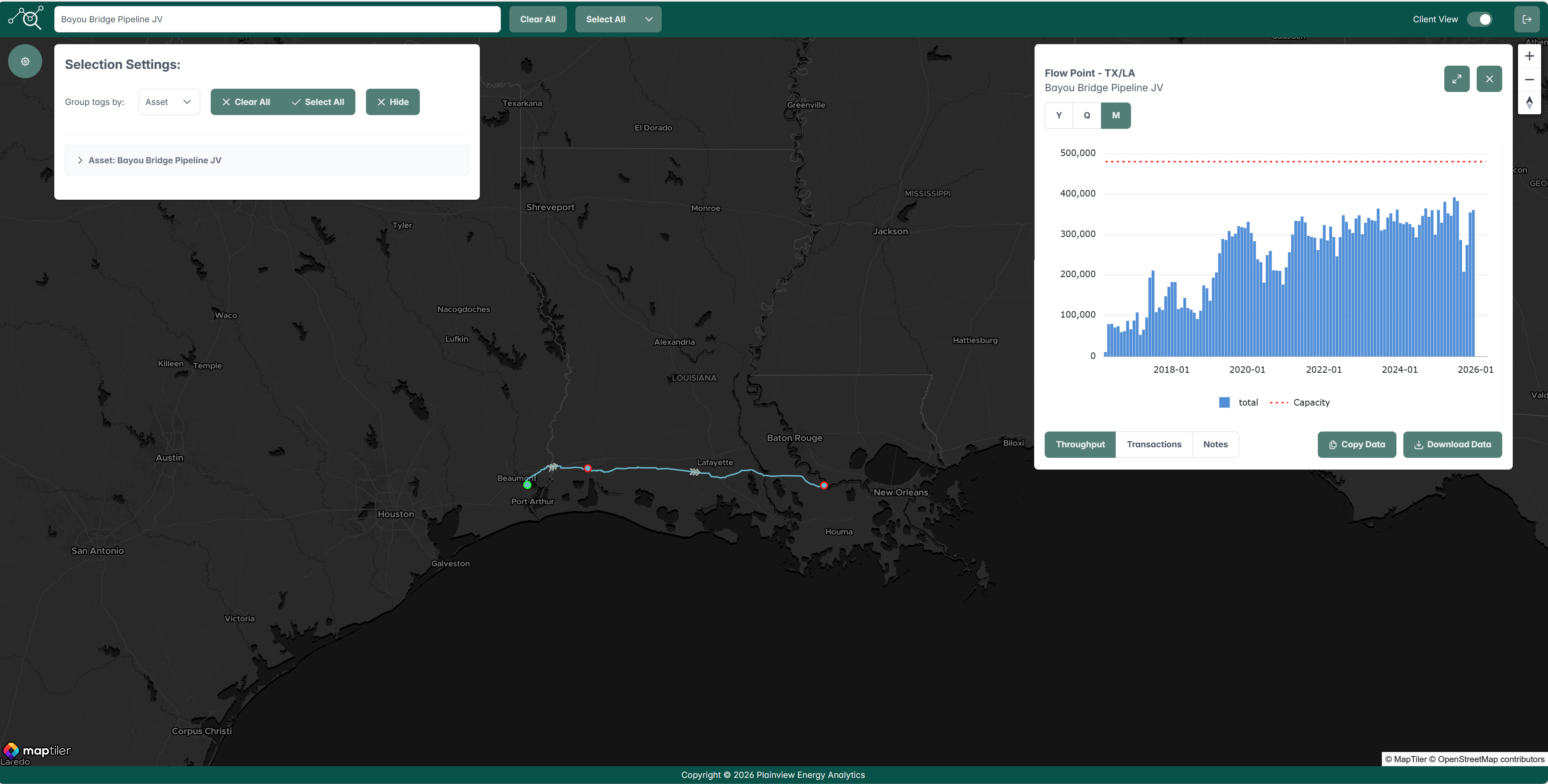
The Bayou Bridge Pipeline serves as a critical artery for the Gulf Coast, moving crude from the Nederland terminal to Louisiana’s refining hubs. While 2025 data showed healthy utilization between Nederland and Lake Charles, averaging a record 335,000 bpd, the segment extending to St. James has historically underperformed, averaging just 65,000 bpd against its 480,000 bpd capacity. This auction suggests a potential volumetric upside for the pipeline as the market looks to source cheaper domestic barrels.
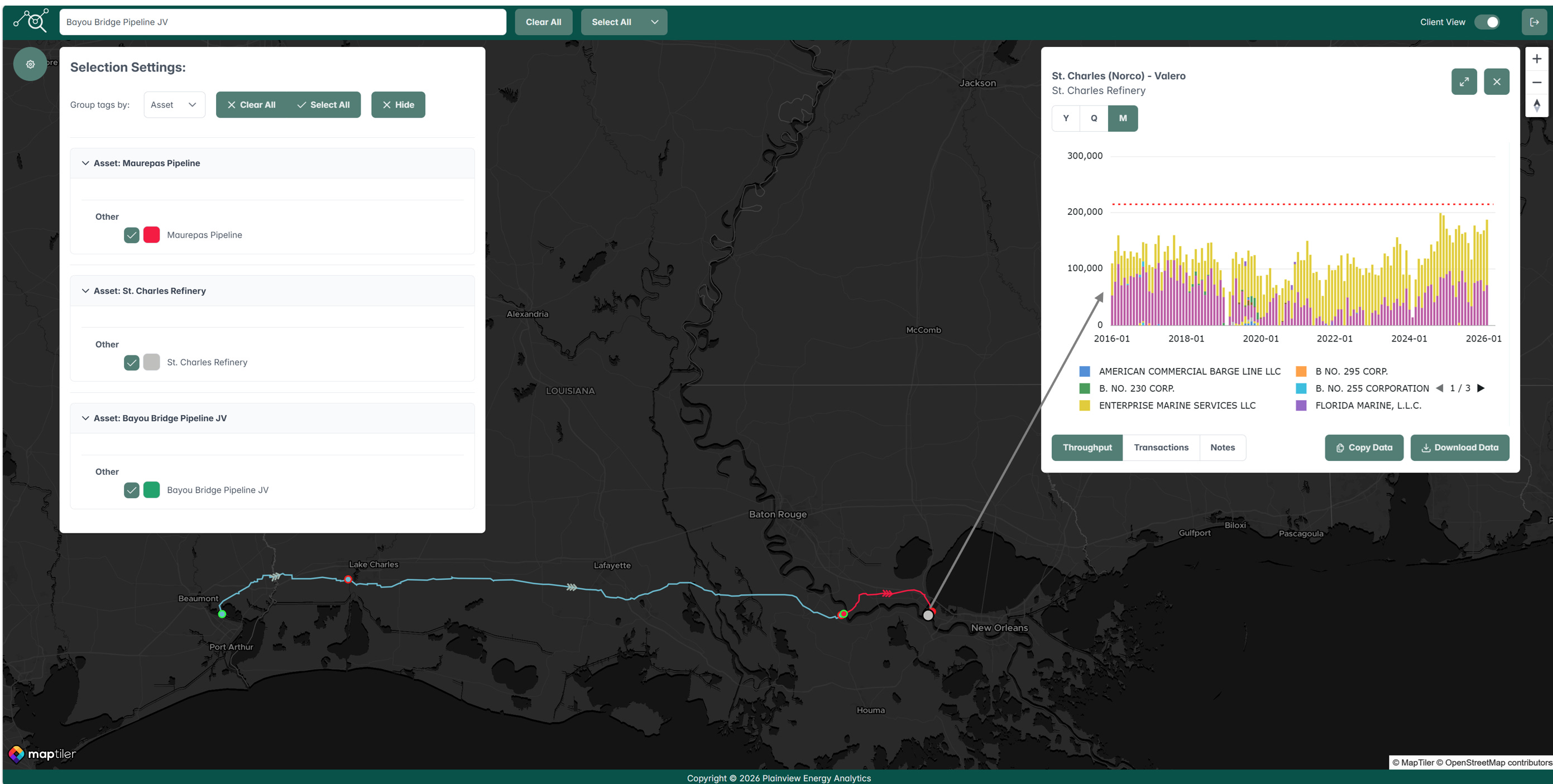
The primary catalyst for this shift is likely the massive Brent-WTI spread, which recently spiked to over $10 per barrel for May delivery. This gap makes inland U.S. WTI-price linked barrels significantly more attractive than waterborne imports tied to global Brent pricing. For Louisiana refineries, which currently receive at least 150,000 bpd of waterborne imports, the economics are clear: displacement is the goal. Even with the technical challenges of substituting specific imported grades with Houston or Nederland grades, the $10 cost advantage may prove too significant to ignore. The Valero St. Charles refinery stands out as a primary candidate for this shift, currently receiving roughly 80,000 bpd via waterborne imports. Strategically, the refinery could source Bayou Bridge barrels at St. James via Energy Transfer’s Maurepas Pipeline, which already serves the Shell Norco refinery adjacent to the St. Charles facility.
The May 2026 start date for this auction may be no coincidence. While many refiners likely locked in March and April cargoes before the recent price spike, they are now scrambling to secure flexible, lower-cost domestic supply for late spring. This development underscores how sensitive Gulf Coast midstream utilization has become to shifting global geopolitics and widening price spreads.


