Cushing-Houston Crude Spread Widens to $4: Tariff Upside for South Bow’s Marketlink Pipeline
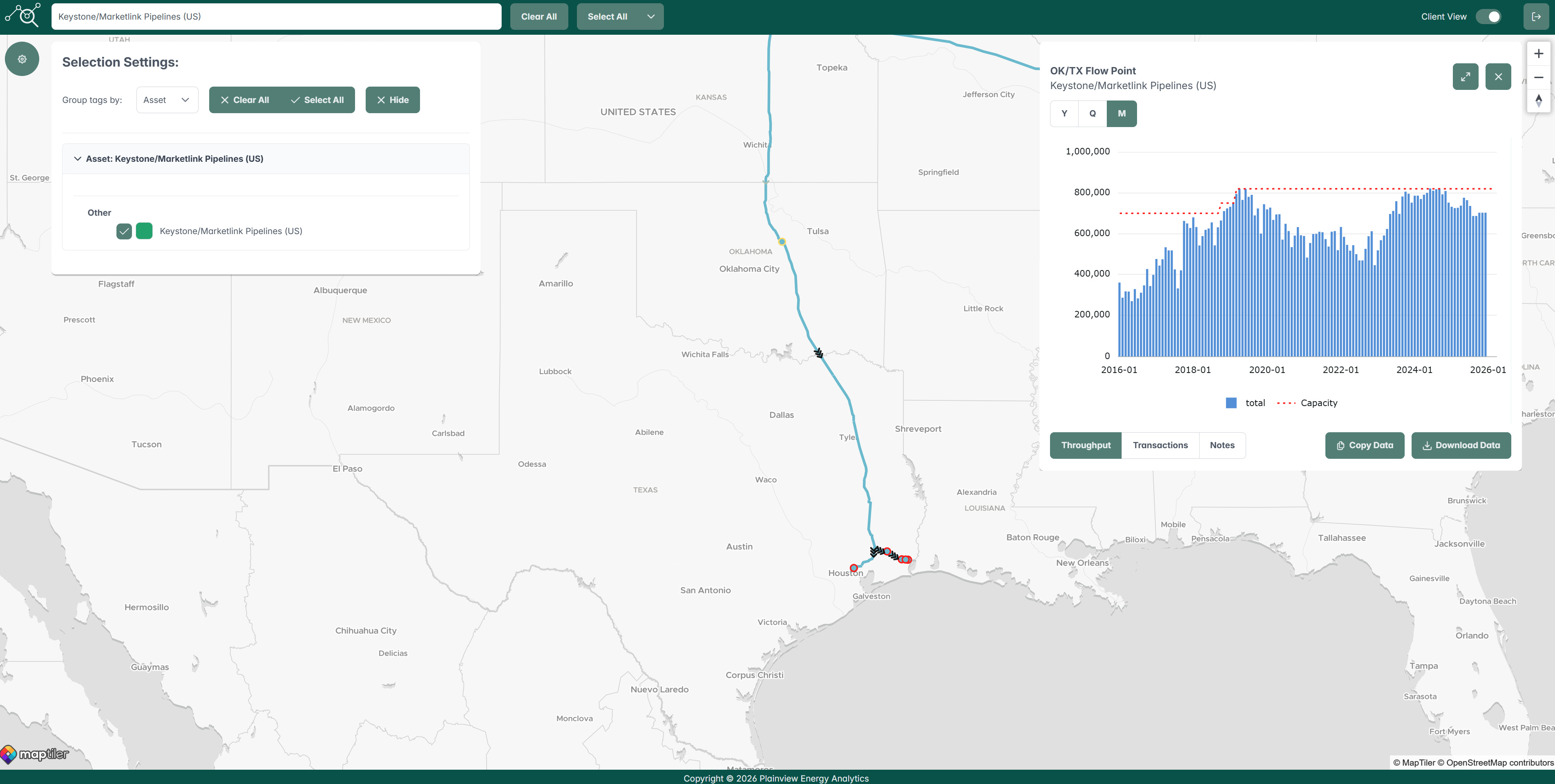
Last week we highlighted how the significant widening of the Cushing-to-Houston crude oil spread is creating upside for major pipelines running from Cushing to the Gulf Coast. That spread has now climbed to approximately $4.00 per barrel, up from around $3.00 the prior week. The wider differential is expected to attract higher volumes on these routes, and one pipeline well positioned to benefit on both volume and realized rates is South Bow’s Marketlink pipeline. As of Q4 2025, Marketlink was operating at roughly 700,000 barrels per day against an estimated capacity of just over 800,000 bpd (with potential for even higher capacity), leaving meaningful room for throughput upside.
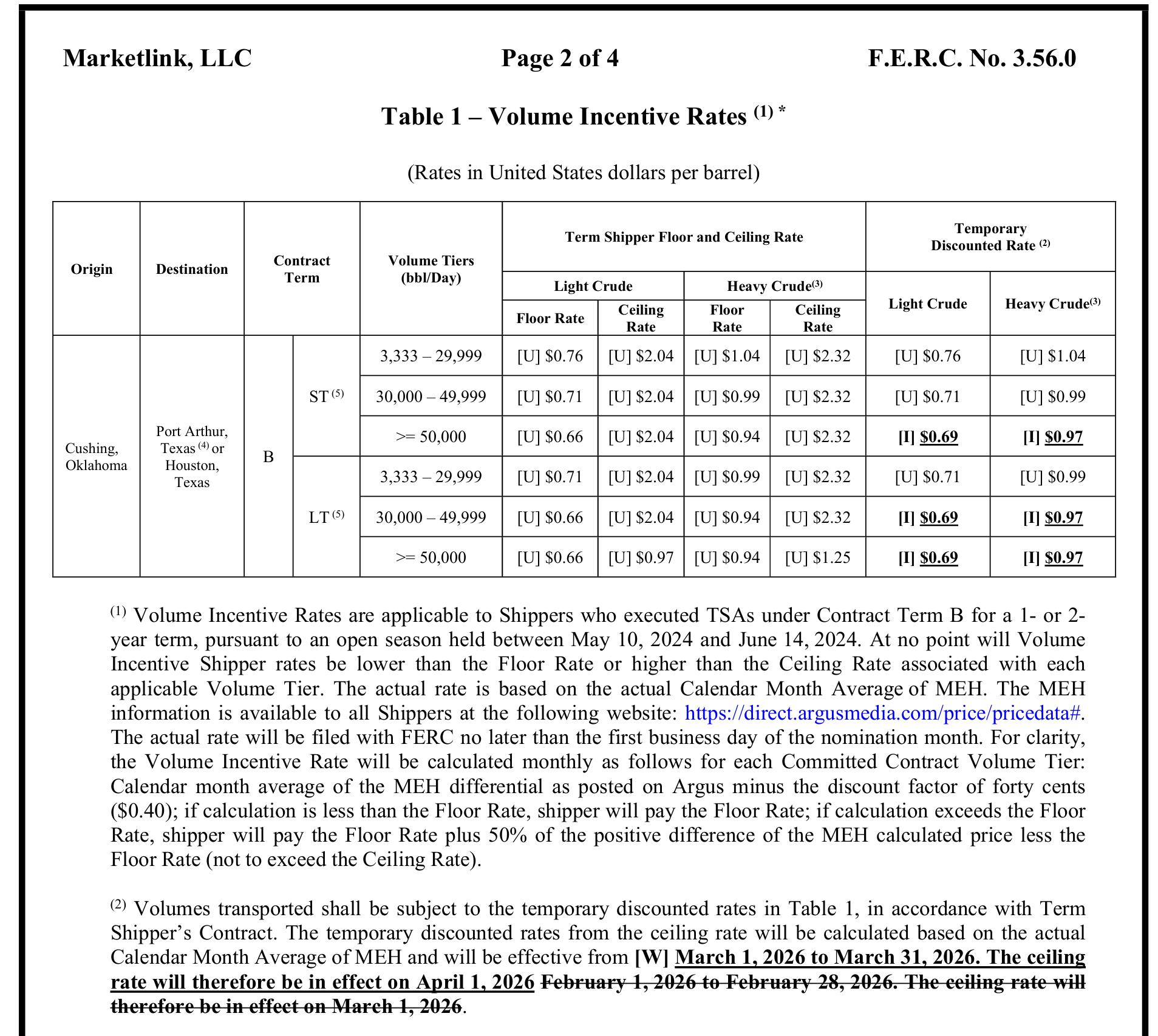
In addition to increased volumes, Marketlink stands to gain from the portion of barrels moving under its volume incentive tariff. This tariff prices itself monthly based on the average MEH (Houston) versus WTI Cushing spread. With narrower spreads over the past 12 months, these rates typically settled near the floor of roughly $0.66–$1.00 per barrel depending on crude grade. However, at the current ~$4.00 spread level, the calculated incentive rates would now reach the ceiling range of $2.00–$2.30 per barrel. Although the exact volume under this tariff is not disclosed, the higher rates provide clear incremental revenue upside for Marketlink as long as the spread remains elevated.
Underutilized Rockies Corridor and Guernsey Hub as Cost-Effective Route for Canadian Heavy Crude
Last week, Plainview Energy Analytics and RBN Energy released their multi-client study “Roundabout,” which analyzes the growing importance of the Rockies corridor and the Guernsey, Wyoming hub as a strategic conduit for moving Canadian heavy crude to downstream markets, including the U.S. Gulf Coast. The study highlights significant underutilized pipeline assets that currently transport barrels from Canada into PADD 4 (Wyoming). One clear example is the eastern Montana–Wyoming border, where approximately 200,000 barrels per day of Canadian crude are already moving south into Wyoming.
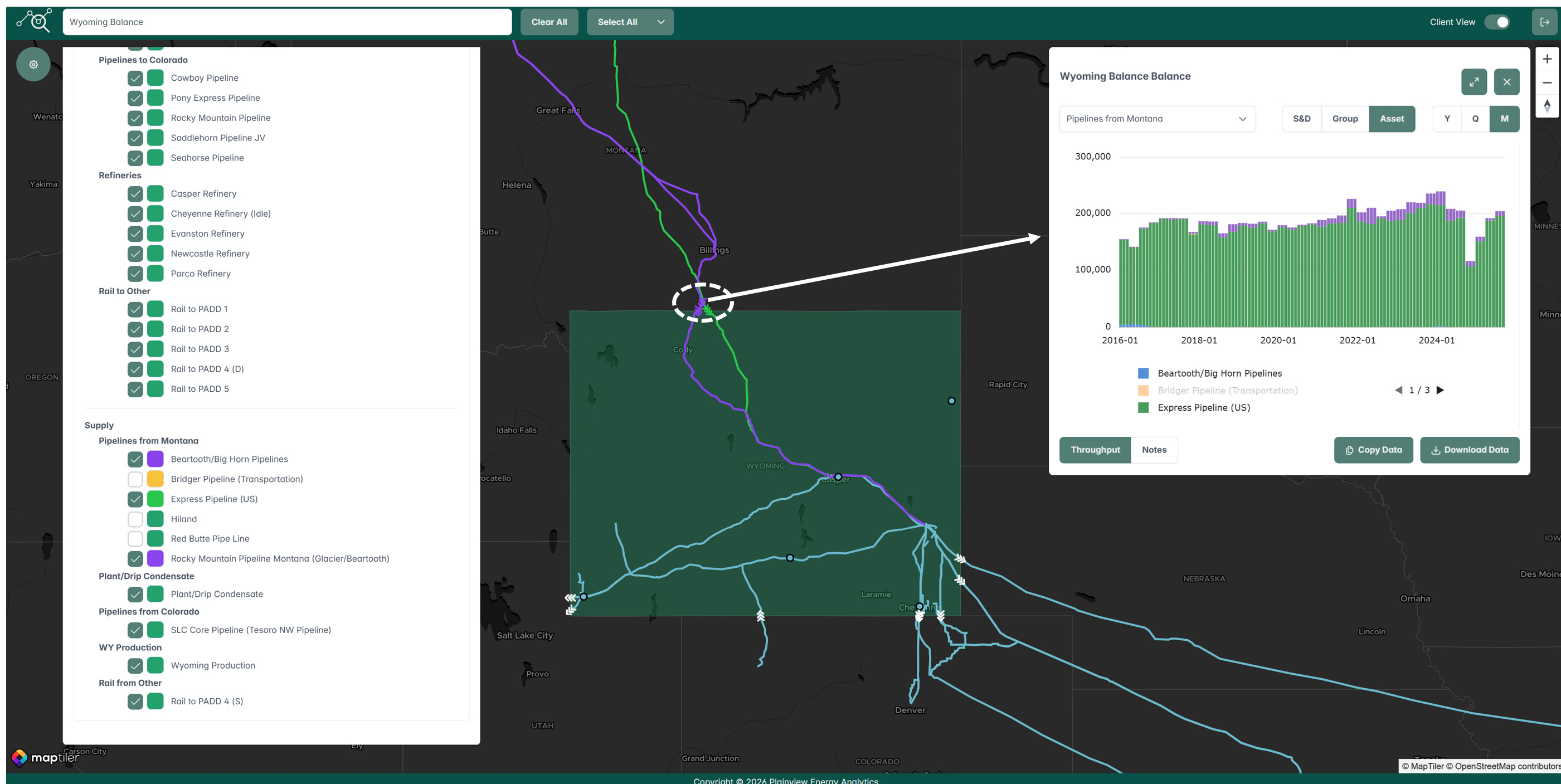
The primary pipelines serving this corridor include the jointly owned Plains and Phillips 66 Western Corridor system (Glacier, Beartooth, and Bighorn pipelines) as well as Enbridge’s Express Pipeline. These systems are currently underutilized at this border point, with an estimated 125,000 barrels per day of latent capacity available. While bringing additional volumes forward would require upstream pipeline expansions or optimizations in Canada and Montana, the substantial available downstream capacity suggests strong potential for very economic and cost-effective projects to move more Canadian heavy barrels toward the Casper/Guernsey area and ultimately to Gulf Coast markets.
Special offer for current and future Plainview platform subscribers: Purchase the report from RBN Energy and you’ll receive a dollar-for-dollar credit toward an annual Plainview Platform subscription. This gives you ongoing access to the same interactive flow data, maps, and expanding library of regional supply-demand balances used in the analysis.
The report is now live and can be purchased here:
https://rbnenergy.com/analytics/studies/roundabout
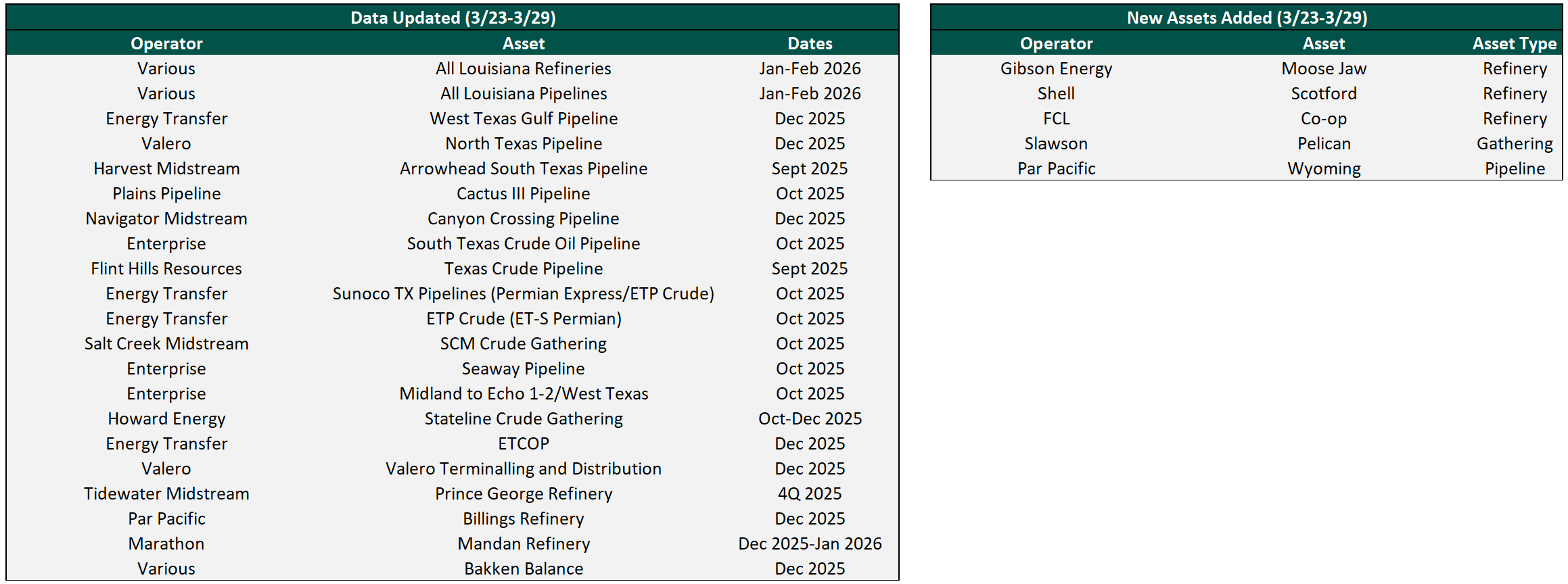
Flow/Transaction Updates and New Assets Under Coverage
Plainview has over 300 assets with crude oil flow or transactional data on our platform and continues to add more each week. Data for existing assets under coverage are posted as soon as they become available. Below are the assets that were updated this week or newly added to coverage.