

South Bow and Capline Pipeline Owners Could Win Big If Bridger Expansion Gets Sanctioned
Last week we highlighted the proposed Bridger Pipeline Expansion (video link), a 36-inch pipeline project that aims to transport up to 550,000 barrels per day of crude oil from the U.S.-Canada border in Montana to Guernsey, Wyoming. While still navigating regulatory approvals and securing committed shippers, the project’s sanctioning would have ripple effects to a host of other midstream infrastructure.
Among midstream players, South Bow stands out as a potential prime beneficiary, leveraging its existing Keystone XL assets from Hardisty, Alberta, to the border. By repurposing these partially built facilities, South Bow could efficiently connect volumes to the Bridger line with minimal additional capital outlay, promising strong returns on capital through high utilization and low incremental costs. A potential extension from Guernsey to Steele City, Nebraska (dashed white line below), would further integrate with South Bow’s underutilized legacy Keystone infrastructure, allowing for increased throughput on its Steele City to Cushing and Patoka lines without substantial investments and amplifying economic upside.
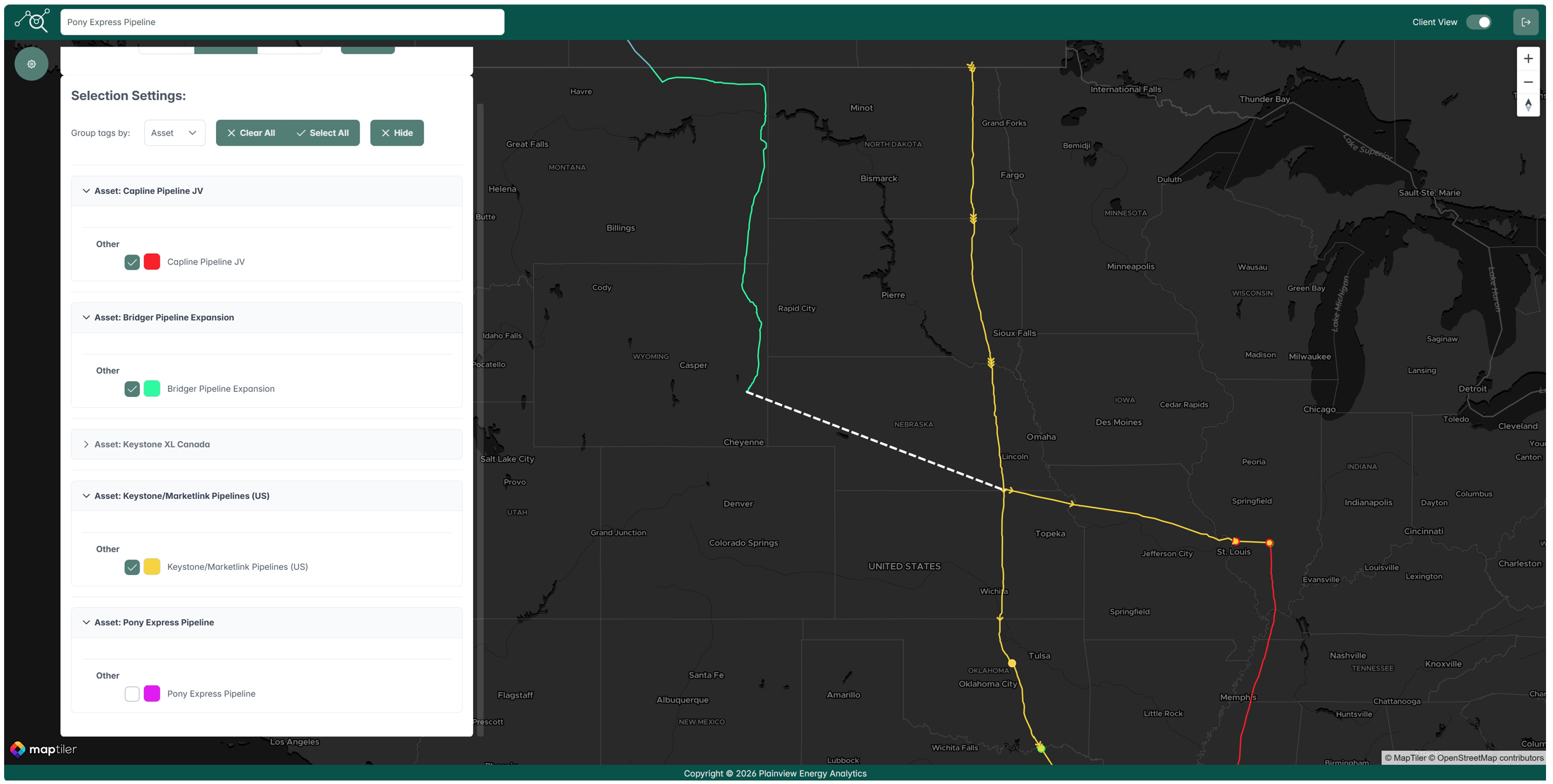
Downstream, the Capline pipeline emerges as another potential winner, capable of handling additional volumes directed toward Patoka southbound to Louisiana refineries and export facilities. Currently operating below 200,000 barrels per day on its 40-inch line, Capline could scale beyond 1 million barrels per day, requiring little capital expenditure for initial expansions. Owned in a joint venture by Plains All American Pipeline (54%), Marathon Petroleum Corporation (33%), and BP (13%), all partners would likely experience boosted earnings and strong returns on capital.
ExxonMobil’s Permian Momentum: Surging New Mexico Output Filling Company Pipelines
ExxonMobil continues to demonstrate strong momentum in the Permian Basin, signaling sustained growth ahead. During its recent fourth-quarter 2025 earnings call, the company emphasized no near-term production peak in the region, projecting an increase from a record 1.8 million barrels of oil equivalent per day (boe/d) in Q4 2025 to more than 2.5 million boe/d beyond 2030.
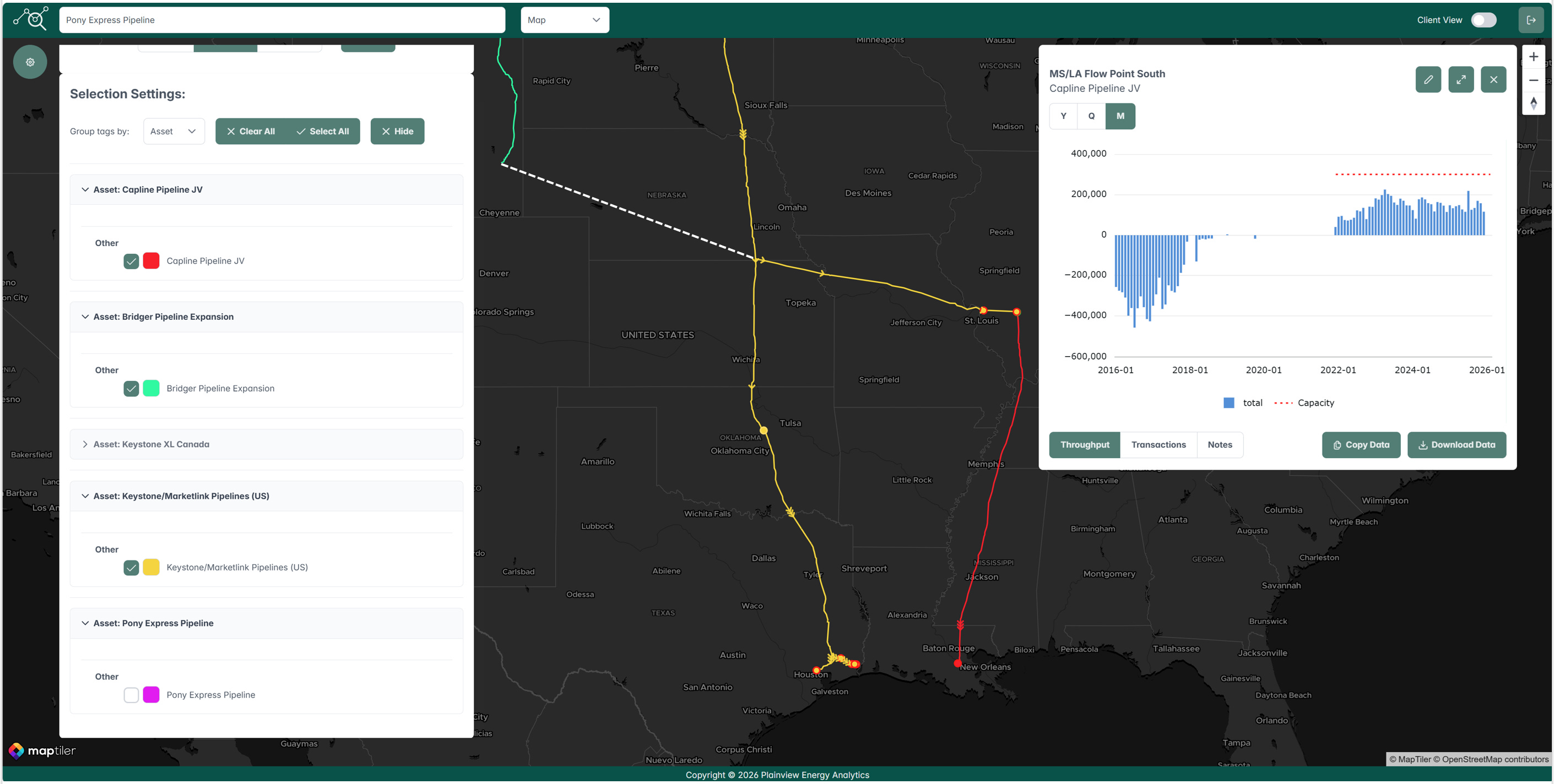
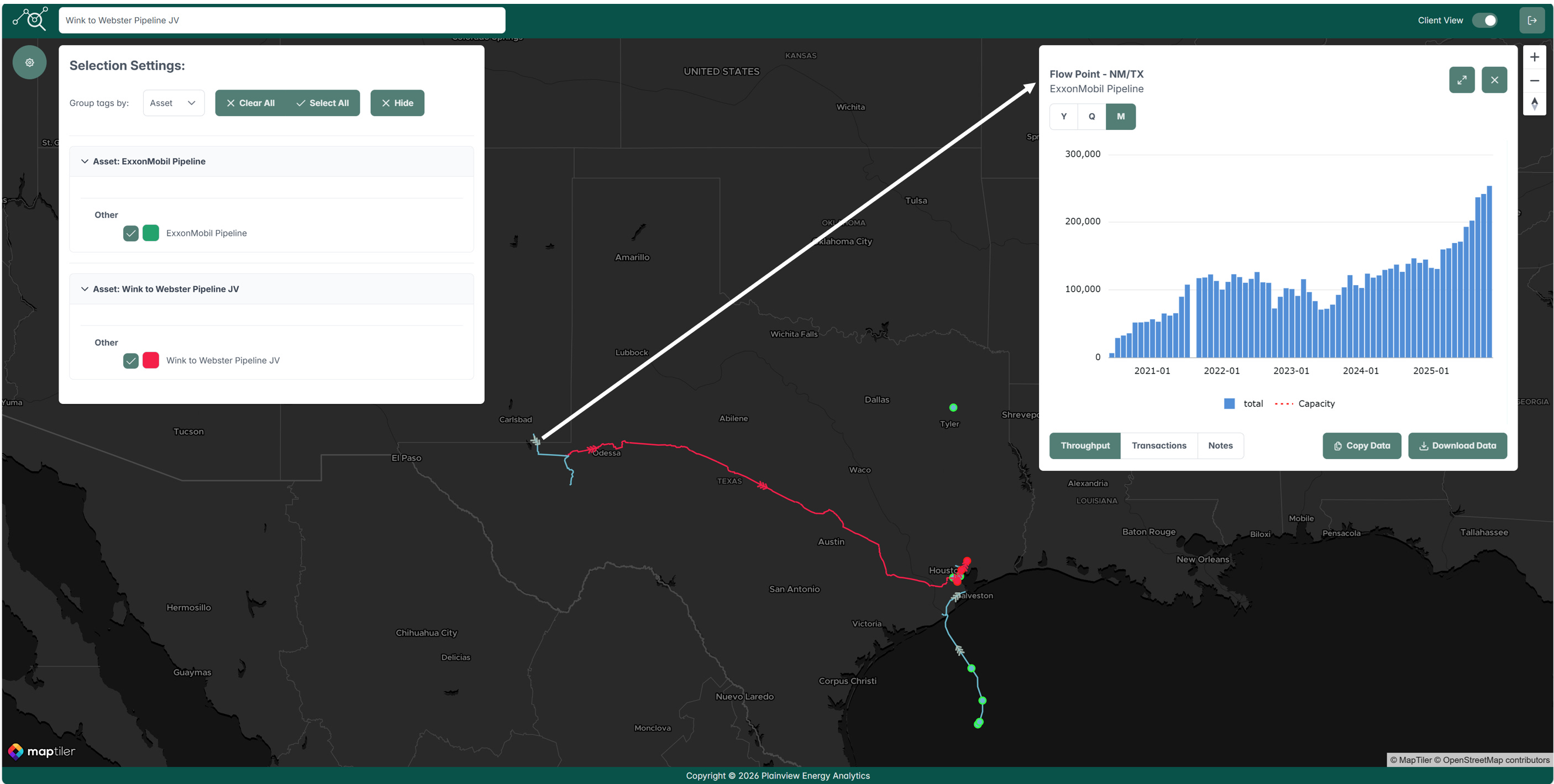
U.S. and state production data highlights New Mexico as the primary growth engine of the Permian over the past year. Volumes on Exxon’s crude oil pipeline from New Mexico to Wink, Texas, have surged notably, rising from around 140,000 barrels per day in late 2024 to over 250,000 barrels per day by late 2025 (see figure below). With this direct pipeline connectivity, the Wink to Webster system has also enjoyed a boost in utilization and is now approaching nameplate capacity. Exxon’s continued Permian growth through 2030 should continue to support robust flows on these lines.
Flow/Transaction Updates and New Assets Under Coverage
Plainview has over 300 assets with crude oil flow or transactional data on our platform and continues to add more each week. Data for existing assets under coverage are posted as soon as they become available. Below are the assets that were updated this week or newly added to coverage.
